



Back in 2014, I started my journey into online marketing excited about a new age. You could reach customers on Facebook, Google, YouTube, and email, the places they were already spending their time.
Facebook was booming, so I started there. Boosted posts worked, and the targeting was outstanding. I could reach people by household income, by profession, even by whether they worked in real estate.
I was going to be a Facebook ads expert
I was determined. I was going to become a Facebook ads expert. At the same time, I knew I had to learn email marketing. Mailchimp was still fairly basic back then, so our team went with a platform called Infusionsoft.
Infusionsoft was powerful. You could build all kinds of follow-up for people after they first connected with you on Facebook.
The platforms kept changing
Here's the problem with both of those platforms: they never sat still. Every algorithm change meant learning the job over again.
Over the years, I built some very successful campaigns on Facebook and Infusionsoft. But I remember logging in one morning, frustrated, to a notice that income-based targeting was going away. I thought, “Great. We just signed a client who would benefit from exactly that.”
That wasn't a one-off. In 2018, Facebook phased out its third-party targeting data, and the household income options went with it. Even Infusionsoft has since rebranded as Keap in 2019.
So for that client, I turned to Google AdWords. I took a 40-hour course just to learn the platform. In the months between the day the instructor recorded it and the day I started, Google rebuilt its whole back end and renamed AdWords to Google Ads.
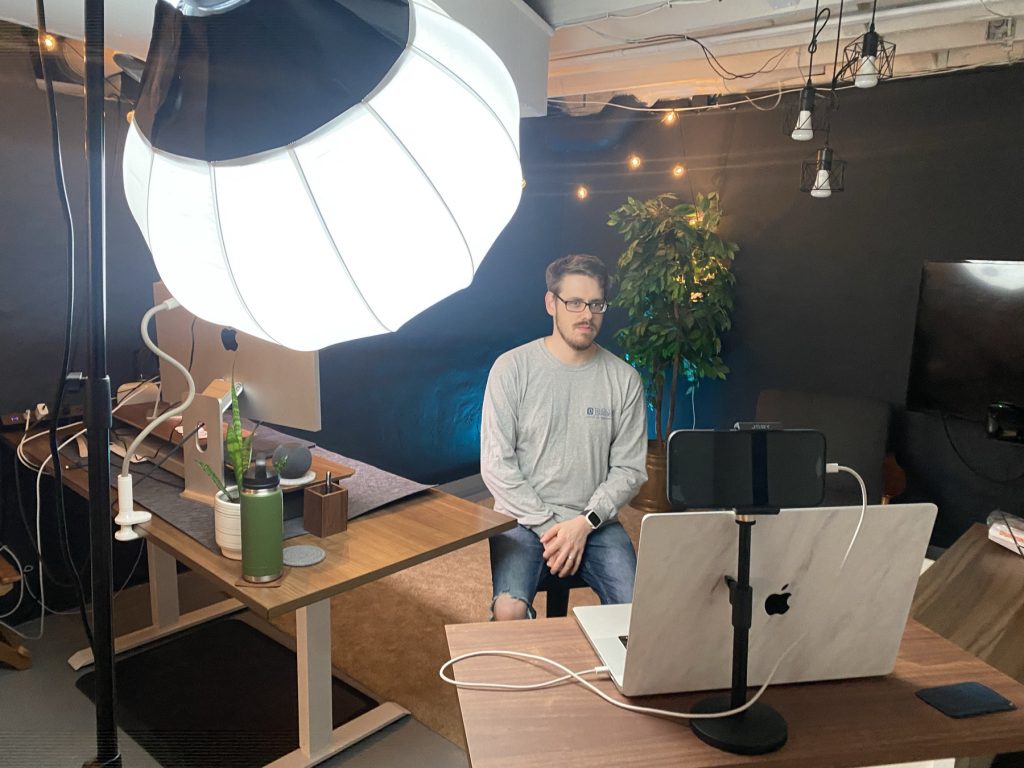
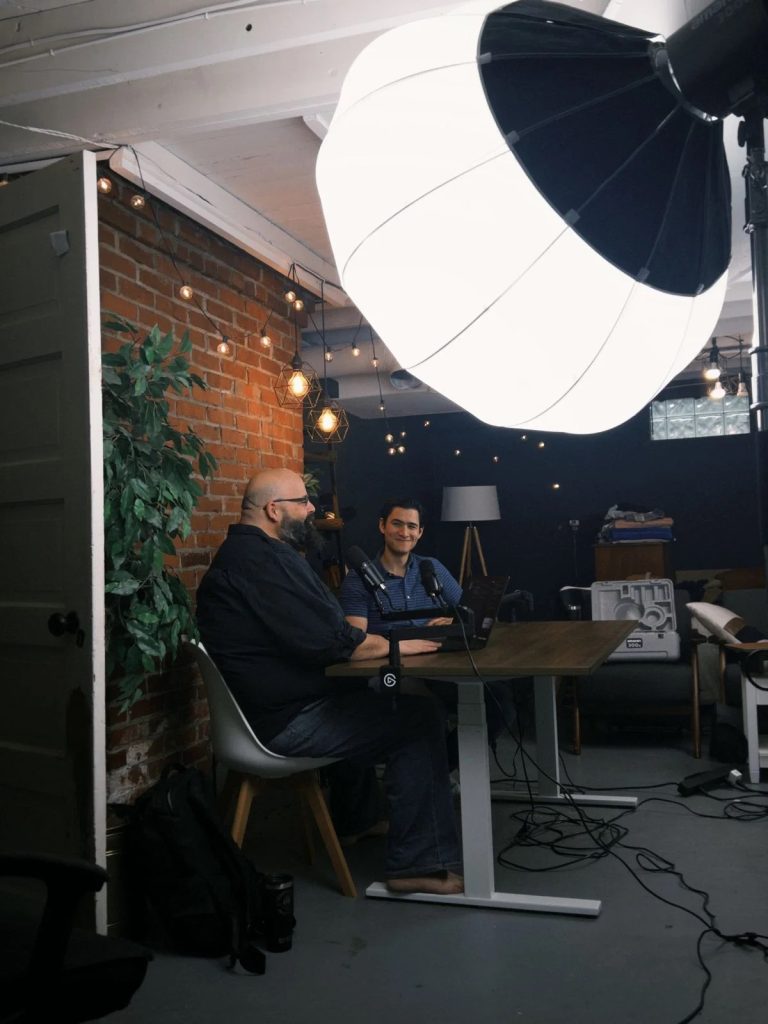
Derek Kelly in the early days, when the platforms kept changing.
I was discouraged. Social media was only one piece of how our team did marketing for clients, and it was the piece that kept moving.
Now the platform is AI
If this story sounds dated, look at what's happening in search right now.
When Google puts an AI summary at the top of the results, people click through to a website far less often. Pew Research Center tracked the browsing of 900 U.S. adults and found they clicked a traditional result in 8% of visits with an AI summary, compared with 15% without one. Only 1% clicked a link inside the summary itself.
The platform asks
Which audience settings? How often should we post? How do we show up in AI answers?Your customer asks
Do you understand me? Why should I trust you? What should I do next?It's the same lesson I learned in 2018, only bigger. If your plan depends on how one platform works this year, the platform gets the final say. If your plan depends on knowing your people, you can meet them wherever they go next.
The psychology matters more than the technology
One morning my business partner, Brad, and I were sitting in a coffee shop. He looked up from his pen and pad and said, “The psychology is more important than the technology.”
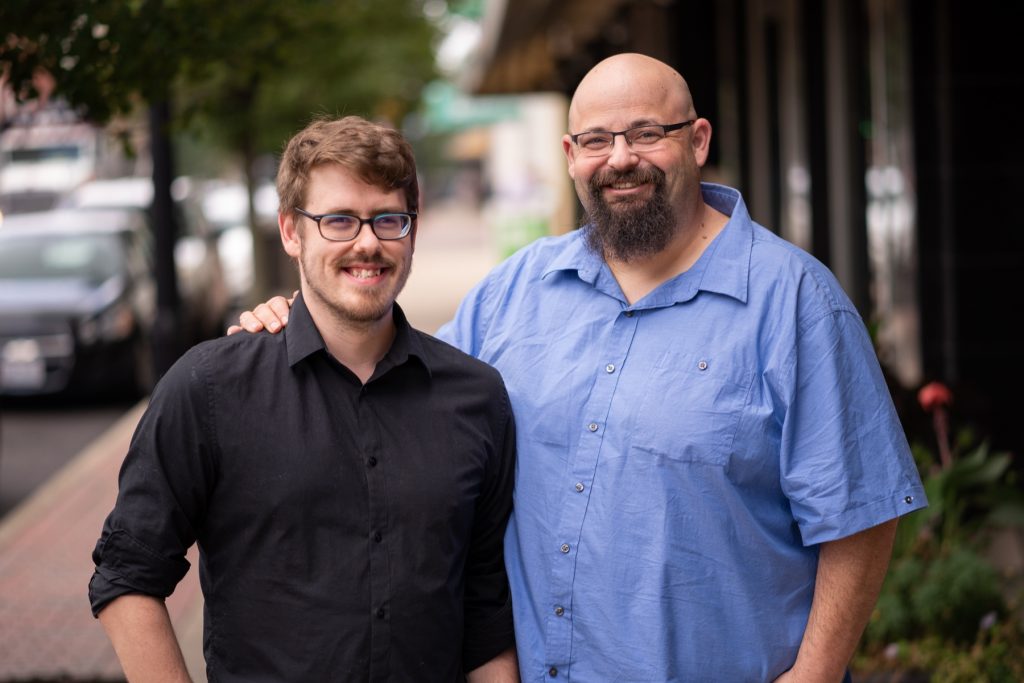
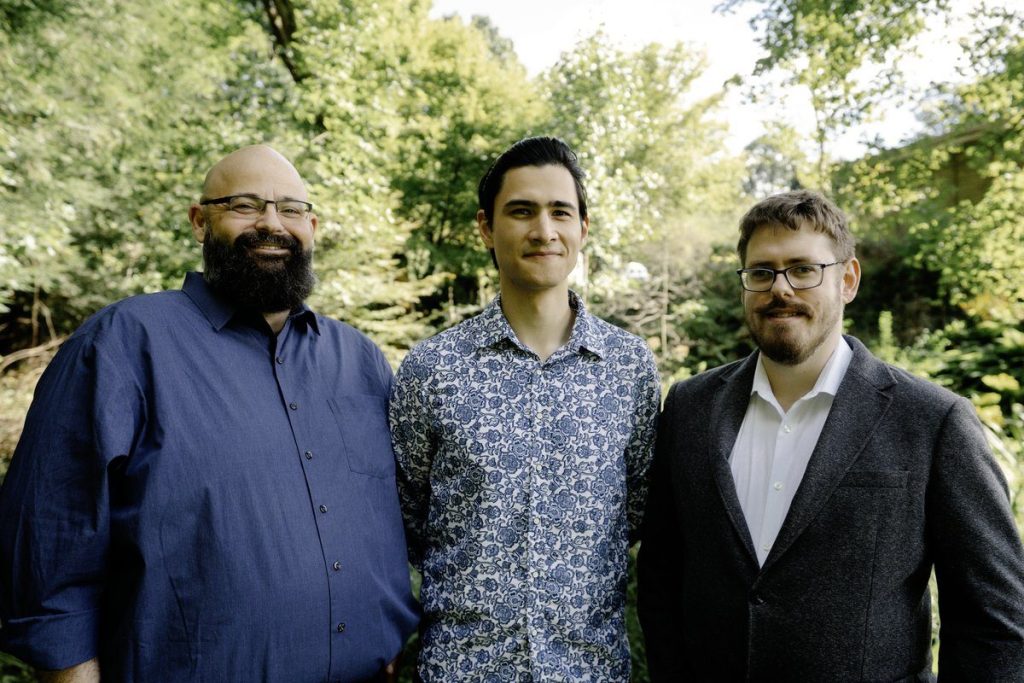
Derek Kelly and Brad McKoy in downtown Grove City, PA.
It hit me. For years we had been teaching business owners to connect with their audience and communicate clearly with them. More than any platform, we had been teaching a way of thinking that helps a business connect with people so clearly that they know how to respond.
There was no way I could keep developing that framework and stay current on Google Ads, YouTube, Facebook, Instagram, and email all at once. And I realized I didn't need to.
Jeff Bezos made a similar point about Amazon. People constantly ask him what's going to change in the next ten years. Almost nobody asks what won't. That second question matters more, he said, “because you can build a business strategy around the things that are stable in time.” That’s what evergreen marketing is built on.
Three things about people that don't change
The framework we teach is built on a simple foundation. People need and want connection and real relationships. That's true in person, and it's true online.
Even when we're “paying for a click,” that click comes from a mom, dad, son, or daughter who wants their life to be a little better than it is right now.
Three simple ideas build on that foundation.
Build long-term relationships. You'd never ask someone to marry you on the first date, yet in marketing we ask people to buy right away, all the time. People want to be known. Our goal with every client is a long-term relationship, so we can walk with them through their failures and their successes, and they can cheer us on as we grow too.
Become a solution provider. We all have problems we hope a product or service will solve, from counseling to hair care. Being a solution provider means understanding the problem before you offer the fix, and offering the fix that actually fits.
Talk to someone specific. We'd never broadcast to a room in person, but online we do it constantly. People have their own desires, worries, and needs. Your landing pages, ads, and sales pages should each be written to one specific person. Yes, that means creating more pages. That’s narrowcasting: one clear message for one kind of person, instead of broadcasting to everyone.
The research backs all three. Bain's Fred Reichheld found that raising customer retention by just 5% raises profits by 25% to 95%. Salesforce found that 73% of customers expect companies to understand their unique needs and expectations.
87%
of people trust recommendations from people they know more than any other kind of marketing.
Nielsen Trust in AdvertisingNotice that none of those numbers depend on a platform.
People, not numbers
In the digital age it's easy to treat people like numbers instead of real people behind a screen. My story is one long lesson in why people come before platforms.
Platforms will keep changing. AI will keep changing how people search. The people you serve will still want to be known, still want their problems solved and still want to be spoken to like a person. Build on that, and your marketing stays evergreen.
Put these three keys to work, and I'd love to hear how it goes.