

In late 2020, as I was recovering from COVID, I read an article about an automated pizza shop that could make a pizza without any human interaction at all. I remember thinking, “That's not something I would want.” I also knew there were definitely people who would.
That thought has stuck with me for six years, because it holds the first step to attracting the right customers. Some people will love what you offer, and some never will. Both are fine, as long as you know which is which.
I could picture a few different people in line for that pizza.
The first group was there for the novelty. A pizza that no human hand touches is a story some people would want to tell their friends.
The second group cared about efficiency. They were operations-first people, and for them, automation could make food prep safer and more predictable.
While this didn't sound appealing to me, it did make me realize the kind of pizza shop I wanted to go to.
Some pizza is served with legacy behind it.
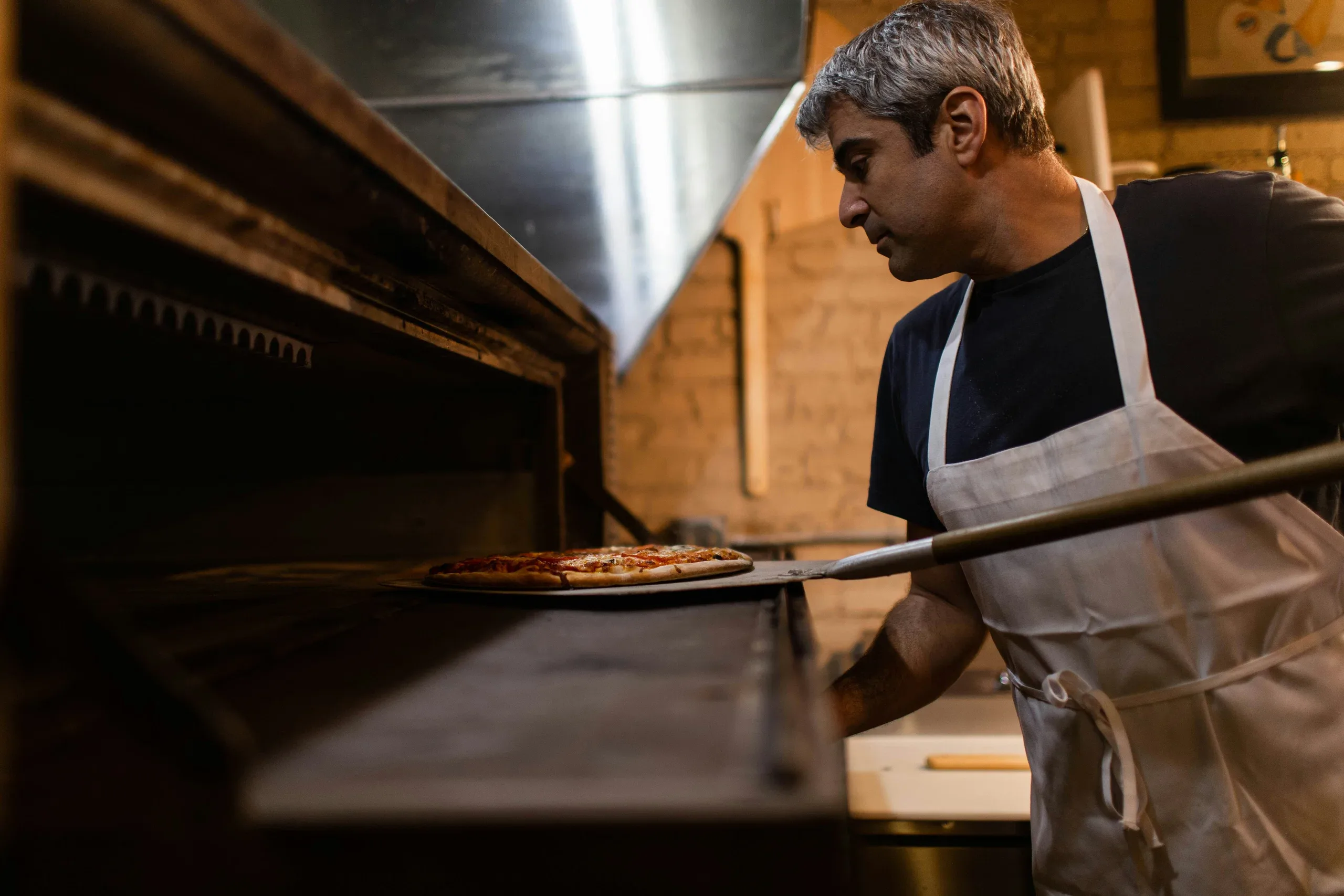
My favorite pizza shops are almost always family-owned. One of them is Venezia's in Ellwood City, Pennsylvania. The owner moved there from Brooklyn and has been making pizza for decades, and his son has grown up in the business beside him.
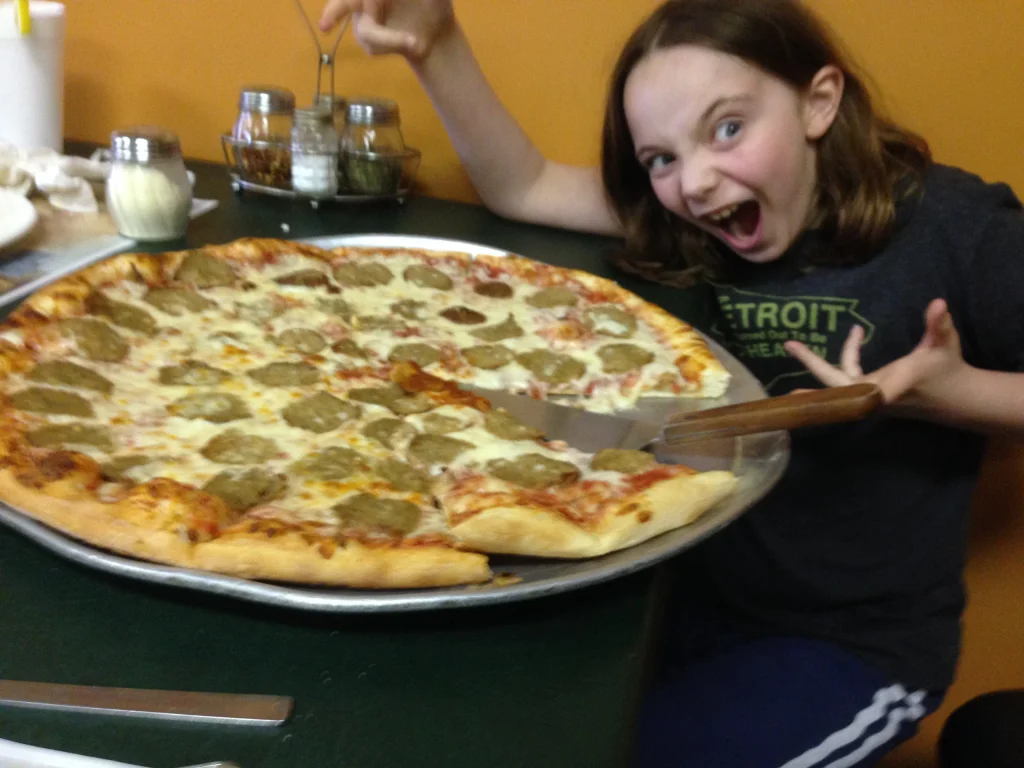
At least once a year, my family makes its way back to Venezia's. While the owner isn't what some people would consider warm, I always feel connected when I walk in. I'm enjoying a good slice, and I'm also tasting something with history and depth to it: recipes that have been passed down.
Venezia's doesn't even have a website. The connection is what keeps people coming back.
If I tried to convince one of the regulars at Venezia's to try robot pizza, they would probably give me a dirty look. What a robot brings to the table is simply not what they came for.
Asking which pizza is better misses the point.
Both shops could make a great pizza, and it still wouldn't be a question of which one is better. We live in a dualistic culture that wants to make one thing good and the other bad, one superior and the other inferior.
How do you attract the right customers?
When a business owner tells me a better product should be enough, I encourage them to focus less on what their product is and more on the problem it solves. People rarely wake up thinking about a product by itself. Nobody thinks about a sump pump until the basement floods. When they recognize a need, they start looking for someone who solves it, and good communication helps them see that you do.
I learned how much this matters early on, with a client who is still with us almost a decade later. When we first met, I asked him, “Who's your ideal customer?” He said, “Everyone,” and asked if I would introduce him to my network.
I told him, “You seem like a great guy who knows what you're talking about, but I can't introduce you to my network, because you don't know who your ideal audience is.” He said, “I told you, everyone.” So I started giving him examples of people who would not be a good fit, until he finally said, “Well, no, that wouldn't be ideal.”
Within a year, he told us he had gone from punching at the wind, trying to hit everything and everyone, to focusing on the people he could help most and building real connection with them. Communication to everyone is communication to no one.
Here are five things to know about attracting the right customers.
1Your best customers are real people, not averages.
Most marketing advice tells you to build a persona. The trouble is that a persona is often an average of different people, and an average can describe nobody. Say you have two groups of customers. One spends about $30,000 a year with you, and the other spends about $120,000. A persona built around someone who spends $75,000 a year could miss both groups completely, because neither one looks like that person.
To understand your target audience, we encourage clients to pick a few real people from each audience they serve. When it's appropriate, and they know and trust those people, they ask them directly what they value.
We start by asking, “What do you think they value?” Then we always, always move to proving it. We don't have to choose between real conversations and hard data anymore. We can have both. It's easy to find research that says what you want it to say, but if it falls apart on the first read, it's useless. You want insight that actually connects to the people you serve.
2Your best marketing isn't all about you.
Here's the most common sign that a business is marketing its product instead of the people who love it. You land on the website, and everything is about the company, then very quickly about the products. Many businesses simply take their product catalog and try to turn it into a website.
Look at the language in your brand messaging. Is it all about you, or is it speaking to your audience? On our own site, we could have led with, “We are growth partners for branding and marketing.” Instead, our homepage says, “Build connection. Grow your business.” One sentence says, “Look how amazing we are.” The other speaks to the person we want to serve.
If you're not sure which way your marketing leans, look for these signs:
Your homepage opens with your company and moves quickly to your products.
Your website reads like your product catalog.
Your headlines describe what you do instead of the problem you solve.
Nothing on the page acts like a guide who asks what the customer is trying to build.
That doesn't mean hiding your products. I've seen brands go so far the other way that it's hard to tell what they actually sell. Your products and services still need to be easy to find. They just make more sense when they show up as part of helping your customers reach their goals.
3Letting some prospects go makes room for the right ones.
Once I accept that I can't serve everyone, I get to ask a better question: who am I best suited to serve?
Trying to serve everyone means trying to be one-size-fits-all, and that costs time, energy and money. Those resources come straight out of what you can give the customers who fit you best. I talk to contractors all the time who take on a difficult client because a good client referred them. Making the exceptions that client needs costs so much that it gets harder to serve the clients they built their business around.
Good questions help you get there faster. If you walk into a room of a hundred people and eighteen of them are a real fit for what you do, that's a good day. The right questions keep you from spending your time with the other eighty-two, so you can focus on the people who are already looking for someone like you.
4Your offer has to fit your customer's moment.
One of our clients is a chef who has done high-end work in Hollywood and served people from many TV shows. She also loves selling cookies. She could make a cookie so spectacular that someone would pay $20 for it, but a parent buying cookies for a kid's birthday party shouldn't spend $20 on a cookie. So she focuses her excellence on a cookie she can sell for $2, because that's what makes her offer fit the people she serves.
If you only think about your product and what you can do, you can't build an offer that lands in the moment of opportunity. You have to understand the person who will use it. And whatever the moment, the offer has to be real. Both pizzas still have to be good.
5Your best customers should feel like this is for them.
When we write a sales page or a landing page, we try to find people from the audience we want to reach. Whether it's over coffee or in a quick conversation, we ask them to look at the page and give us their immediate reaction. In those conversations, we're trying to learn two things:
Does the way we're communicating connect with them?
Do they have enough information to take the next step?
They don't need everything. They need enough.
When it's right, someone lands on the page and feels a sense of resolve. That's the moment I want: “Yes, this is for me. This is what I'm looking for.”

Once we've made that connection, we can invite them into the logical next step. A call to action should never feel slippery.
People are wired to make the best reasonable decision in the shortest amount of time. In a well-known study, shoppers who saw 6 jams were about ten times more likely to buy than shoppers who saw 24.
85%
more likely to be purchased when a brand makes the decision simple for the customer.
CEB, 7,000 consumers, in Harvard Business ReviewThat's how to connect with your audience: specifically. We've been trained to tune out the generic and respond to what feels personal. Many of us will answer a text sent just to us, ignore a group message and not feel bad about it. If you think your audience is everyone, you don't know what broadcasting is costing you.
One last pizza story shows why the moment matters.
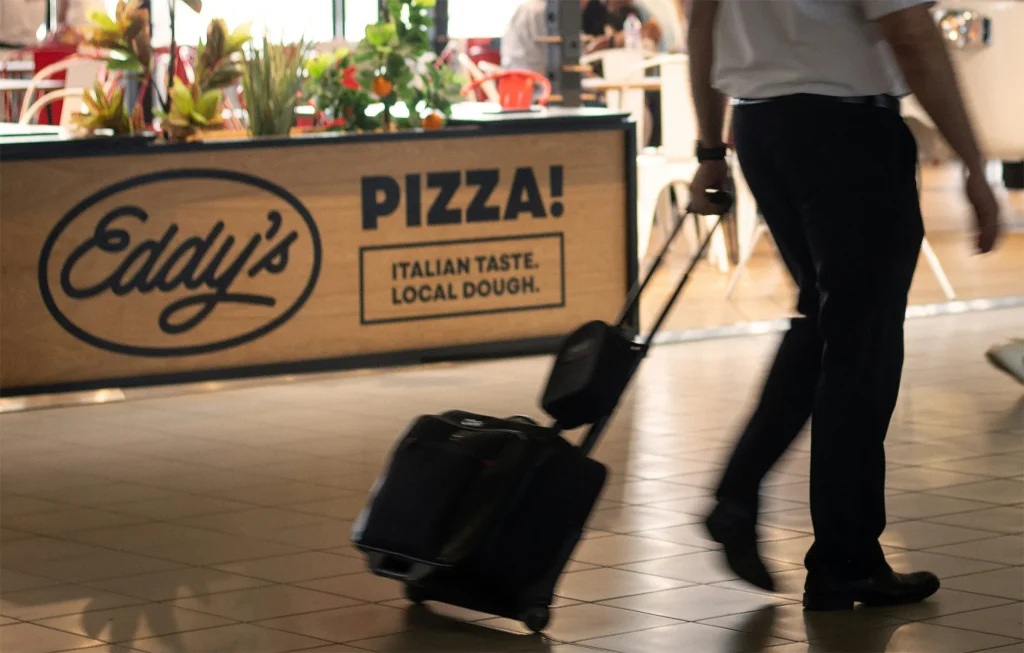
Here's the part of the story I love most. Donatos has been a family business in Columbus, Ohio, since Jim Grote bought a small pizza shop there in 1963. In 2025, Donatos put a 24/7 robotic pizza unit, built by Appetronix, in John Glenn Columbus International Airport.
That's a different approach from the robot pizzeria I read about in 2020. It's a convenience item in a place where a lot of people are on the move. Very few travelers have time for an hour-and-a-half meal with the owners. Late at night between flights, efficiency and timing matter more than the long story. As long as the pizza is good, that machine is exactly right for that moment.
On a weekend at home, that same traveler might drive across town for a family-run shop. I would. If I'm looking for a good pie, I'd rather get great pizza once or twice a year than eat something that tastes like it came out of a freezer box. It's the same person in a different moment, so the right fit changes.
We can never be effective guides for our customers until we understand who they are, where they're going and how we can help them get there. Not everyone will want what you offer, and that's the point. Find the people who would.